
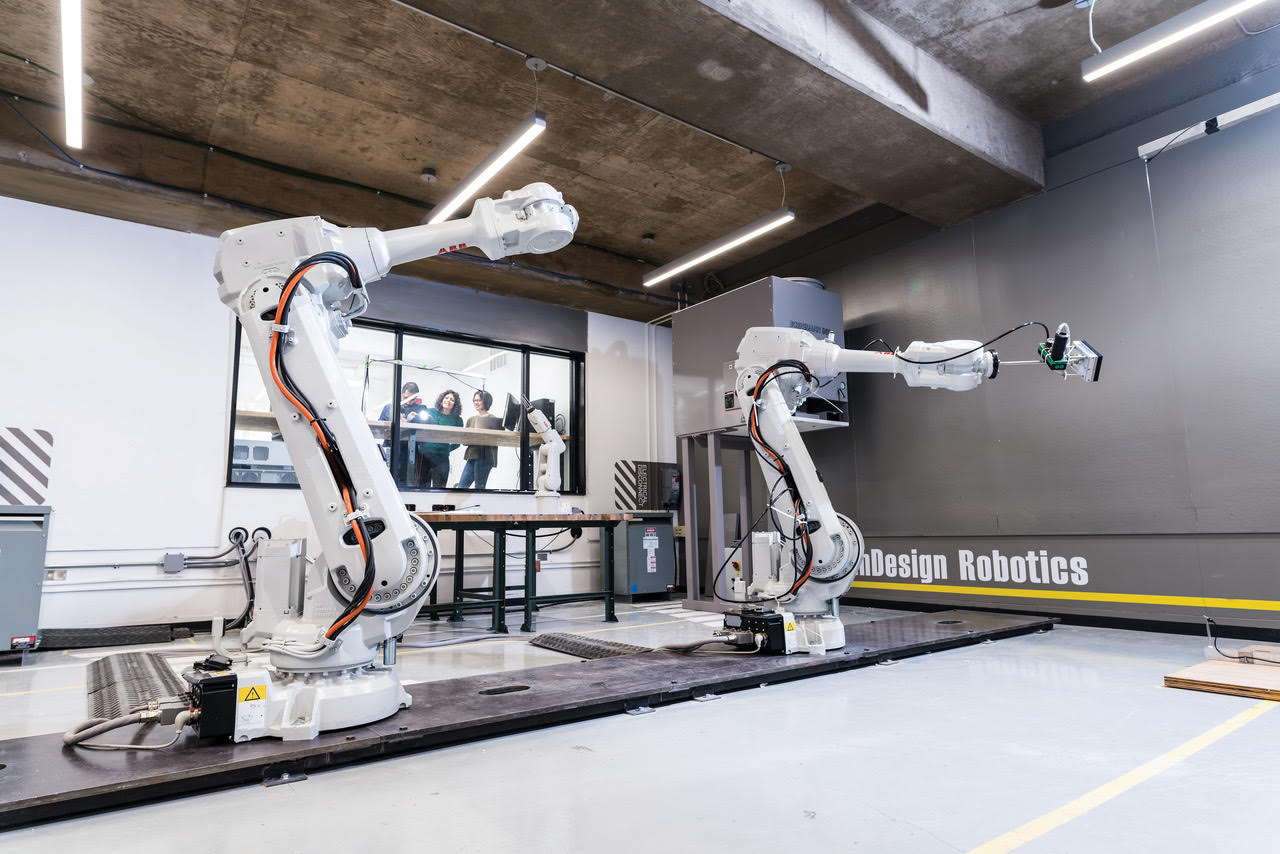
Industry remains a powerful driver of economic progress across the world. By transforming raw materials into valuable goods and introducing innovative production methods, industrial activity strengthens national economies, creates employment, and enhances living standards. As markets evolve and technology advances, industry continues to adapt, reinforcing its role as a cornerstone of sustainable growth.
The Relationship Between Industry and Economic Growth
Economic growth and industry are deeply interconnected. Industrial output contributes directly to national income while supporting other sectors such as trade, transportation, and services.
Key economic contributions include:
-
Expansion of gross domestic product through value-added production
-
Development of infrastructure and industrial ecosystems
-
Increased export capacity and global competitiveness
-
Stable income generation across diverse skill levels
A strong industrial base often signals long-term economic resilience.
Production as the Engine of Industrial Growth
Production is the foundation of industrial success. Efficient production systems allow industries to meet market demand while maintaining quality and cost control.
Importance of Industrial Production
Modern production processes enable industries to:
-
Convert natural and intermediate resources into finished goods
-
Achieve economies of scale through mass production
-
Reduce dependency on imports by strengthening domestic manufacturing
-
Ensure consistent supply for domestic and international markets
Improved productivity directly enhances profitability and national economic performance.
Innovation Driving Industrial Advancement
Innovation acts as a catalyst that propels industry beyond traditional boundaries. It allows organizations to respond to competition, consumer expectations, and technological change.
Types of Industrial Innovation
Innovation in industry typically includes:
-
Process innovation to improve efficiency and reduce waste
-
Product innovation to meet evolving consumer needs
-
Technological innovation through automation and digital systems
-
Organizational innovation improving management and workflow structures
These advancements help industries remain competitive in rapidly changing markets.
Role of Technology in Modern Industrial Systems
Technological integration has transformed how industries operate. Automation, artificial intelligence, and data analytics now shape production strategies.
Key benefits of technology-driven industry include:
-
Faster production cycles with higher precision
-
Reduced operational costs and human error
-
Real-time monitoring and predictive maintenance
-
Enhanced workplace safety and resource management
Technology-driven innovation enables industries to scale sustainably while improving output quality.
Employment Generation and Skill Development
Industry plays a critical role in job creation. It provides opportunities across manufacturing, engineering, logistics, research, and management.
Workforce Impact
Industrial growth supports:
-
Direct employment in factories and production facilities
-
Indirect employment in supply chains and service sectors
-
Skill development through technical training and innovation-focused roles
-
Higher income stability compared to informal economic activities
A skilled industrial workforce strengthens productivity and national competitiveness.
Sustainable Industry and Long-Term Growth
Sustainability has become essential for industrial development. Environmentally responsible production ensures long-term economic benefits without depleting natural resources.
Sustainable industrial practices include:
-
Energy-efficient manufacturing processes
-
Adoption of renewable energy sources
-
Waste minimization and recycling initiatives
-
Responsible sourcing of raw materials
Sustainable innovation aligns industrial growth with environmental and social responsibility.
Global Trade and Industrial Competitiveness
Industries enable countries to participate actively in global trade. Manufactured goods and industrial services form a major share of international exports.
Strong industrial capacity helps nations:
-
Improve trade balances
-
Attract foreign investment
-
Enhance technological exchange
-
Strengthen economic independence
Competitive industries support both domestic prosperity and global market presence.
The Future of Industry-Led Economic Growth
The future of industry lies in adaptability and innovation. Smart factories, digital supply chains, and research-driven production models will continue shaping economic outcomes. Industries that prioritize innovation, workforce development, and sustainability will remain central to economic growth in the decades ahead.
Frequently Asked Questions (FAQs)
How does industry contribute directly to economic growth?
Industry increases production output, generates employment, and adds value to raw materials, boosting national income.
Why is innovation important for industrial development?
Innovation improves efficiency, reduces costs, and helps industries remain competitive in changing markets.
What role does production efficiency play in industry?
Efficient production lowers expenses, improves quality, and increases profitability, supporting economic expansion.
How does industry support employment creation?
Industry creates direct manufacturing jobs and indirect roles across supply chains and service sectors.
Can industrial growth be environmentally sustainable?
Yes, through energy efficiency, clean technologies, and responsible resource management.
How does industry influence global trade?
Industrial production enables exports, strengthens trade balances, and increases international competitiveness.
What industries are most influential in economic growth?
Manufacturing, technology-driven production, energy, and infrastructure-related industries have the strongest economic impact.


